
Children and Teens Counseling
Sometimes kids need someone outside the family to talk to.
Growing up isn't always easy.
Children and teens are learning how to understand themselves, manage emotions, navigate friendships, handle pressure, communicate what they need, and make sense of a world that can sometimes feel overwhelming.
As a parent, you may know that something isn't quite right—but you may not know exactly what your child needs.
We're here to help you figure out the next step.
A Safe Place to Talk, Learn & Grow
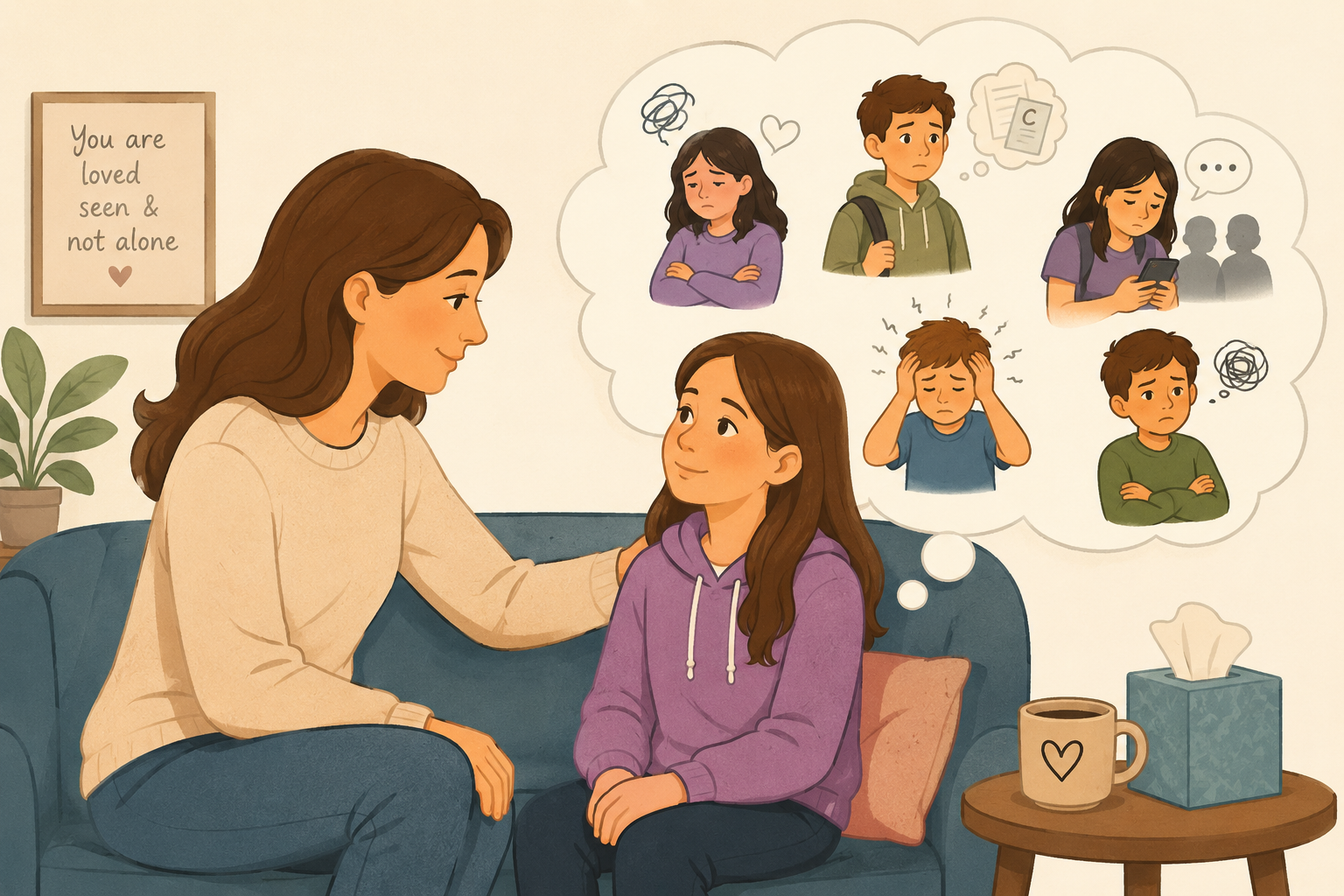
Counseling gives children and teens a place to work through what they're experiencing with someone who isn't a parent, teacher, coach, or friend.
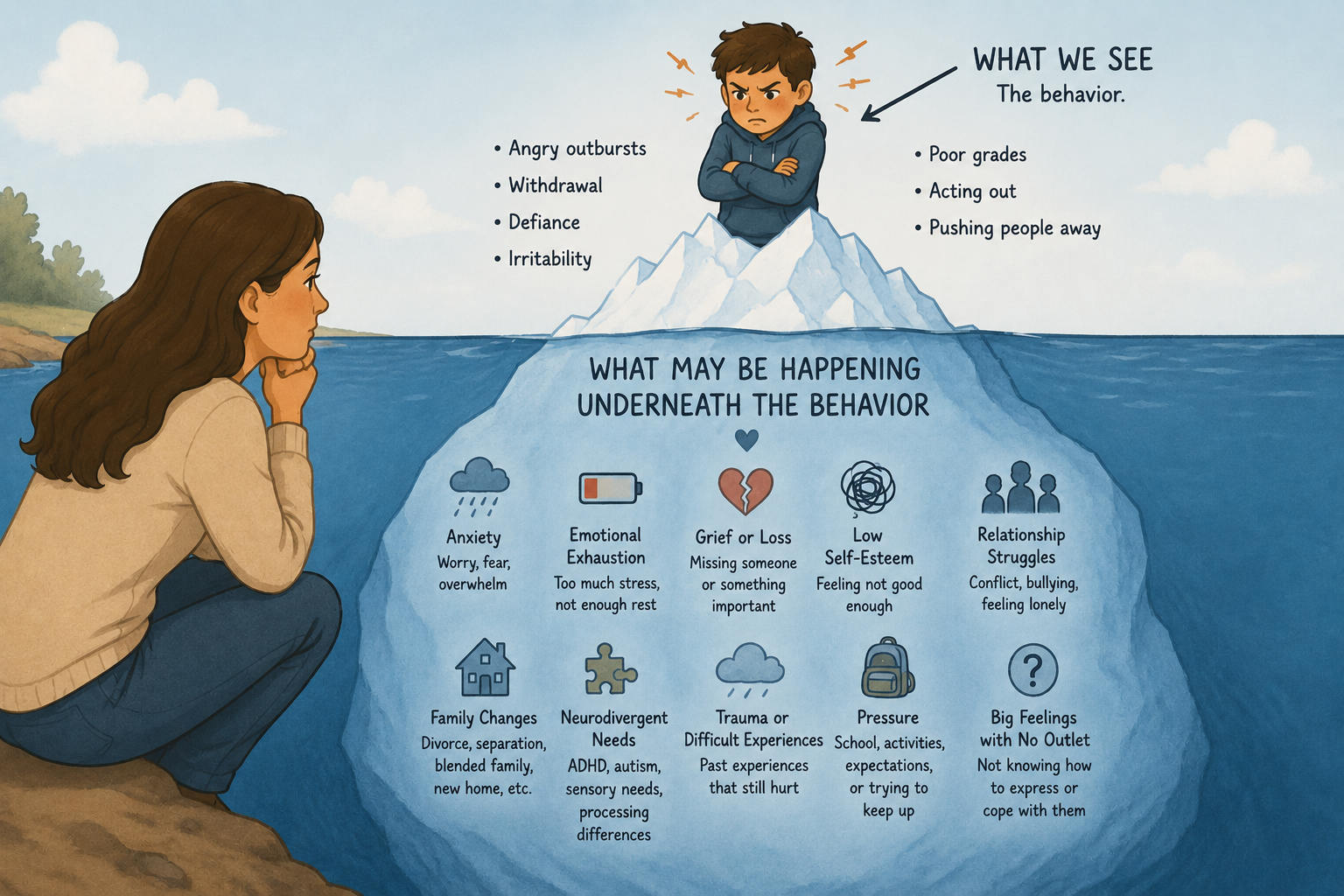
Our goal isn't simply to get a child to "behave better." We want to understand what may be happening underneath the behavior and help them develop healthy skills for navigating what they're experiencing.
Depending on their age and individual needs, counseling can help children and teens learn to:
Identify and communicate emotions
Develop healthy coping skills
Manage anxiety and stress
Build confidence
Improve emotional regulation
Navigate friendships and peer pressure
Develop healthier boundaries
Improve communication
Work through family changes
Process grief, trauma, or difficult experiences
Strengthen relationships with parents and family
Develop problem-solving skills they can carry into adulthood
Every child is different. Our counselors consider your child's age, personality, development, experiences, strengths, family relationships, and individual needs when determining how to approach counseling.
Areas We Can Help With
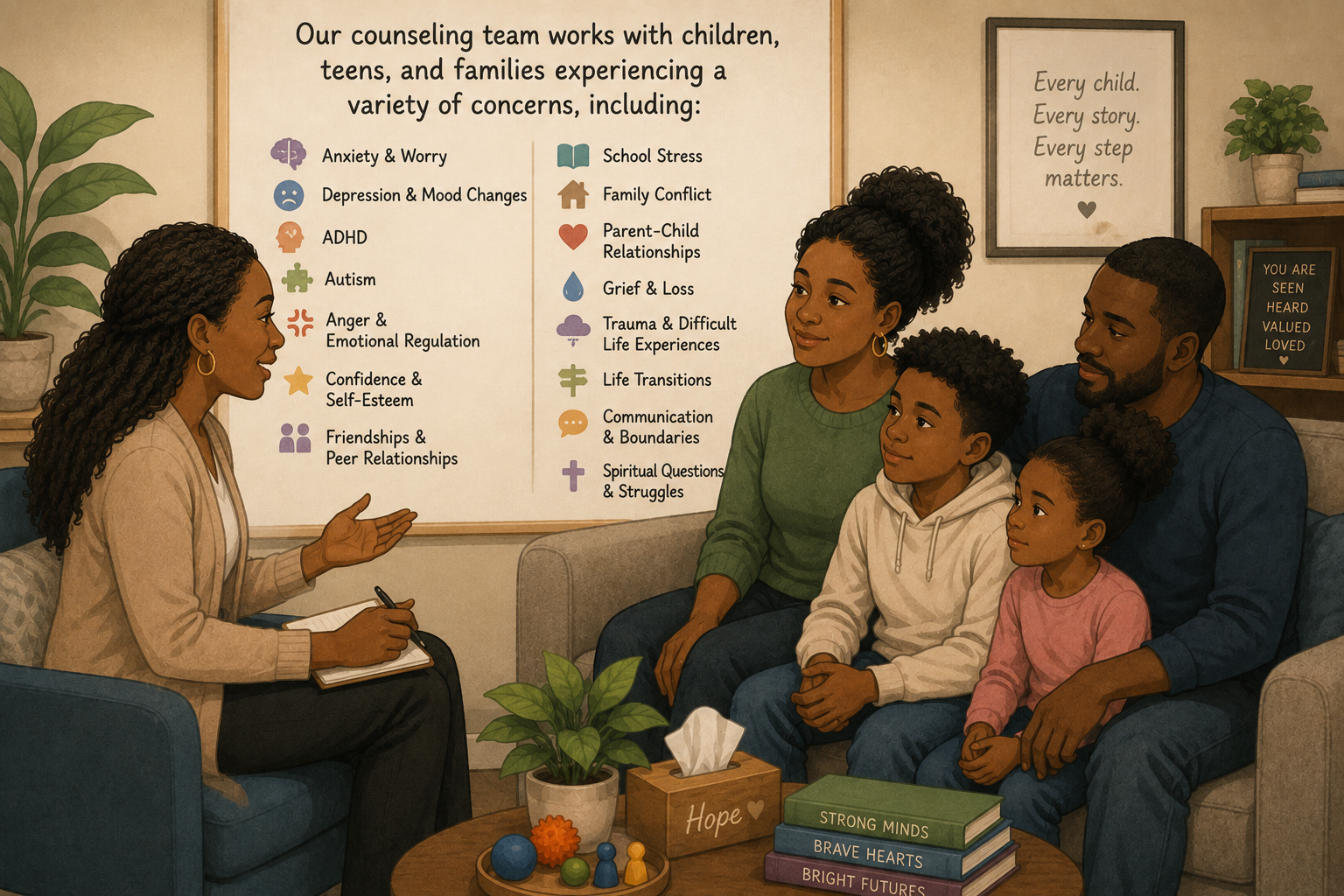
Our counseling team works with children, teens, and families experiencing a variety of concerns, including:
Anxiety & Worry
Depression & Mood Changes
ADHD
Autism
Anger & Emotional Regulation
Confidence & Self-Esteem
Friendships & Peer Relationships
School Stress
Family Conflict
Parent-Child Relationships
Grief & Loss
Trauma & Difficult Life Experiences
Life Transitions
Communication & Boundaries
Spiritual Questions & Struggles
Is Your Child Struggling?
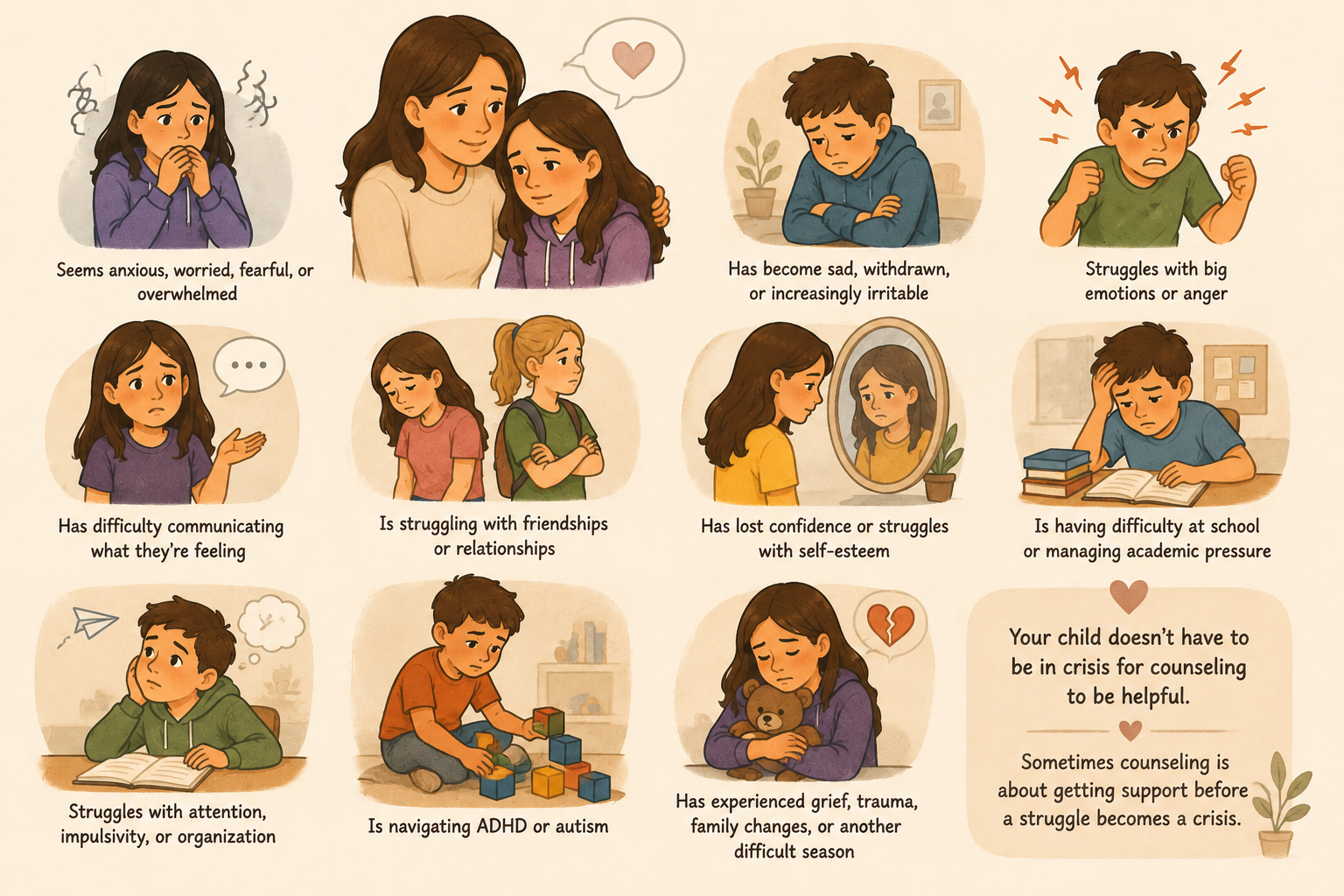
Sometimes the signs are obvious. Other times, they're subtle.
You may have noticed your child or teen:
Seems anxious, worried, fearful, or overwhelmed
Has become sad, withdrawn, or increasingly irritable
Struggles with big emotions or anger
Has difficulty communicating what they're feeling
Is struggling with friendships or relationships
Has lost confidence or struggles with self-esteem
Is having difficulty at school or managing academic pressure
Struggles with attention, impulsivity, or organization
Is navigating ADHD or autism
Has experienced grief, trauma, family changes, or another difficult season
Your child doesn't have to be in crisis for counseling to be helpful.
Sometimes counseling is about getting support before a struggle becomes a crisis.
Parents Are Part of the Process
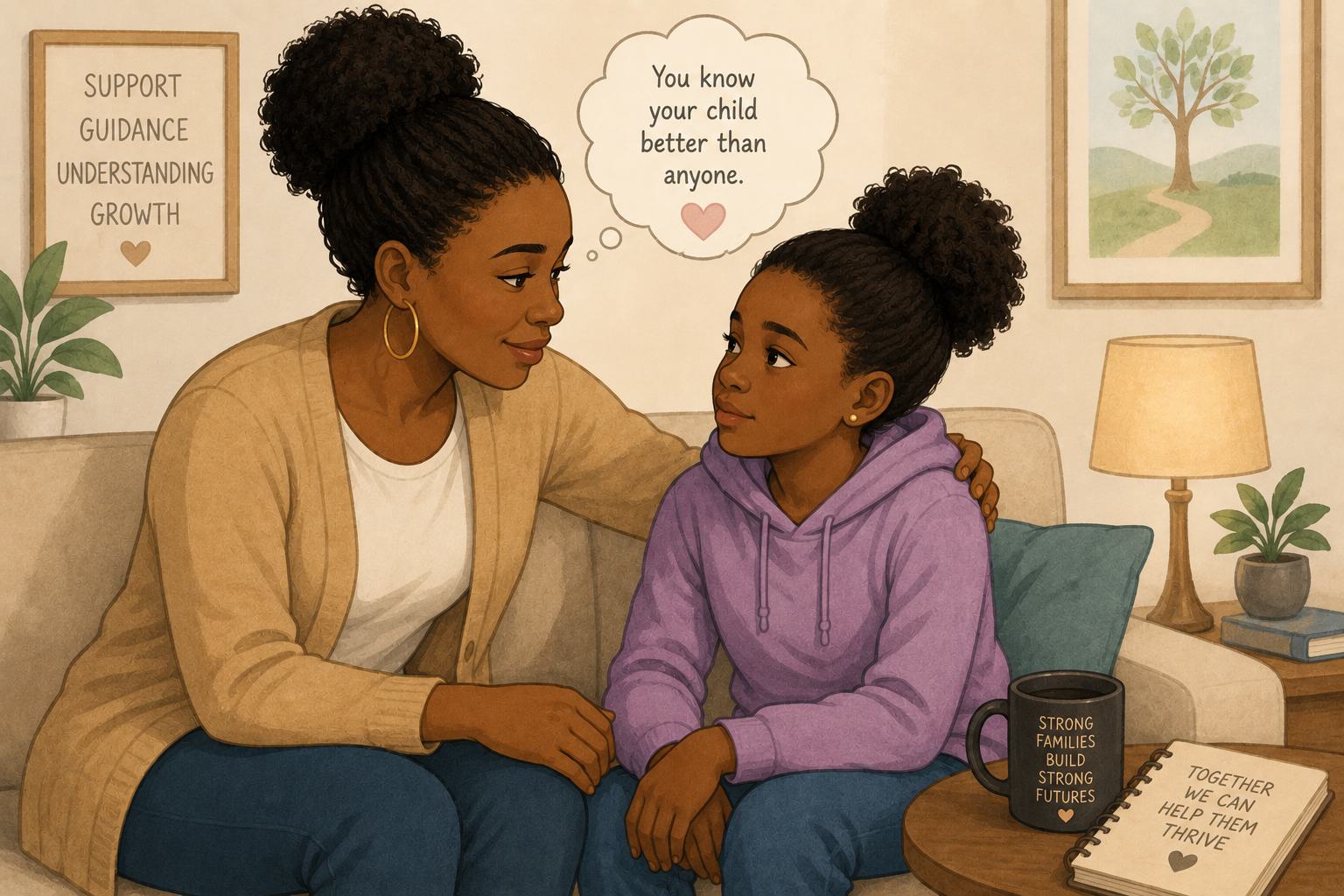
You know your child better than anyone.
Counseling with children and teens isn't about excluding parents. At the same time, young people need enough privacy to develop trust with their counselor. Finding a healthy balance between the two is important.
Depending on your child's age, needs, and situation, the counselor may work with you to better understand what's happening at home, identify patterns contributing to difficulties, develop strategies for responding to challenges, and strengthen communication within your family.
Sometimes the most effective work happens with the child.
Sometimes it happens with the parent.
And sometimes the relationship between them is where change needs to happen.
Parents may also receive support in understanding behavior, setting healthy boundaries, improving communication, and learning how to respond to the challenges their child is experiencing.
Getting Started
Reaching out for counseling doesn't mean something is terribly wrong. Sometimes it simply means you've recognized that your child—or your family—could use some additional support.
That's a good place to begin.
Ready to take the next step?
In-person counseling in Mobile, Alabama with telehealth options for clients throughout Alabama.
Meet Our Children & Teen Counselors

Benjamin Snow, MSped, MA, ALC
Children • Teens • ADHD • Autism • Boys & Young Men • Parent-Child Relationships
Ben works with children and teens who may be struggling with ADHD, autism, emotional regulation, communication, relationships, or the challenges of growing up. He especially enjoys helping young people better understand themselves, build practical skills, and develop greater confidence in navigating everyday life.
Ben also works with parents and families, recognizing that supporting a child often means strengthening the relationships around them. His approachable, down-to-earth style helps create a space where kids and teens can feel comfortable being themselves while learning new ways to communicate, cope, and grow.

Nikeisha Lavalle-Brannum, MA, ALC
Children • Teens • Anxiety • Depression • Emotional Wellness • Life Transitions
Nikeisha works with children and teens who need a safe, supportive place to talk, express themselves, and work through the challenges they are experiencing. Her warm and approachable style helps young people feel comfortable being themselves while developing a trusting relationship in counseling.
She supports children and teens experiencing anxiety, depression, overwhelming emotions, relationship or friendship difficulties, life changes, and the everyday challenges that come with growing up. Nikeisha helps young people better understand and communicate their emotions, develop healthy coping skills, build confidence, and learn practical ways to manage difficult situations.
Whether a child is having difficulty putting feelings into words or a teen simply needs someone outside the family to talk to, Nikeisha provides a space where they can feel heard, understood, and supported as they grow.
Unsure who you should see
You don't have to figure that out by yourself.
Tell us a little about what's going on, your child's age, and what you're hoping counseling can help with. Our team can help you determine which counselor may be a good fit for your child and family.